
For Robert Beatty, a compassionate community is one where people actively consider each other’s well-being and take the necessary actions to support one another. These actions might show up in simple ways, like offering a meal to someone going through a hard time or checking in with a neighbor who’s been quiet lately. In schools, workplaces, or local groups, compassion shows up through cooperation, patience, and a willingness to listen.
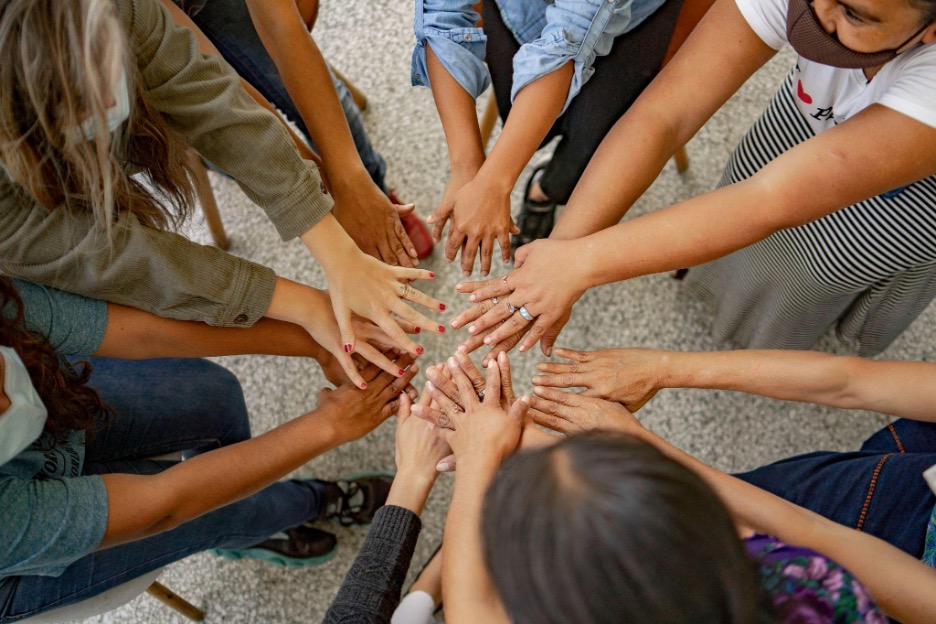
Coming Together as a Community
When people come together with compassion in mind, something powerful begins to take shape. Community check-ins help individuals feel connected and supported, especially during challenging times. A weekly gathering in a neighborhood park where residents share stories and offer mutual encouragement can slowly shift the tone of a community.
Dialogue as a Bridge for Understanding
Open conversations can soften divisions and bring clarity where there might otherwise be confusion or tension. When people speak openly while feeling heard, it encourages empathy and reduces the need to be defensive. This is especially important in diverse groups where different experiences and perspectives are present.
In one workplace, regular lunchtime conversations helped bridge gaps between employees from different departments. Over time, misunderstandings gave way to collaboration, simply because people began to listen with curiosity rather than assumption. These moments of connection, though brief, often have lasting impacts beyond the initial conversation.
A community thrives when its members feel heard, valued, and encouraged to participate without fear of judgment. Practicing active listening and staying curious about others’ experiences helps to build that kind of environment. It also invites quieter voices to emerge, creating more balance in group dynamics. Encouraging honest feedback and reflecting on group interactions can further strengthen trust.
In moments of disagreement, approaching the situation with compassion rather than control can shift the outcome entirely. One community gardening group found that acknowledging frustrations openly, while remaining kind, allowed them to navigate a heated debate about planting decisions without fracturing trust.

Getting Started
Building a compassionate community doesn’t require perfection, just intention. It begins with a few people willing to show up, listen, and co-create a space where care is prioritized. One small reading circle in a city library began with just three members and grew into a supportive community because the emphasis was never on numbers but on connection.
Establishing shared expectations early on helps everyone stay grounded. Whether it’s agreeing to take turns speaking or allowing space for silence, these simple agreements give everyone a sense of ownership and ease. Even when new members join, these shared norms make integration feel seamless.
In a small town school, a weekly morning routine where students and teachers share something they’re grateful for has led to noticeable shifts in classroom behavior and connection. What started as a brief check-in became a foundation for a more caring learning atmosphere. Students began looking forward to those moments, often arriving early just to participate.
Rather than holding rigidly to one format, successful initiatives tend to reflect, adjust, and grow with the needs of their members over time. This flexibility ensures that compassion remains relevant and impactful across changing circumstances.
Leave a Reply