
Plastic packaging transformed the beverage industry with its convenience and cost-efficiency, but it also introduced an invisible risk—microplastics. While research is still catching up to determine the full extent of health effects, Steve Weymer notes that early findings and industry trends point to a growing need for caution. Consumers, scientists, and manufacturers are now paying closer attention, and steps are being taken to reduce exposure and improve packaging.
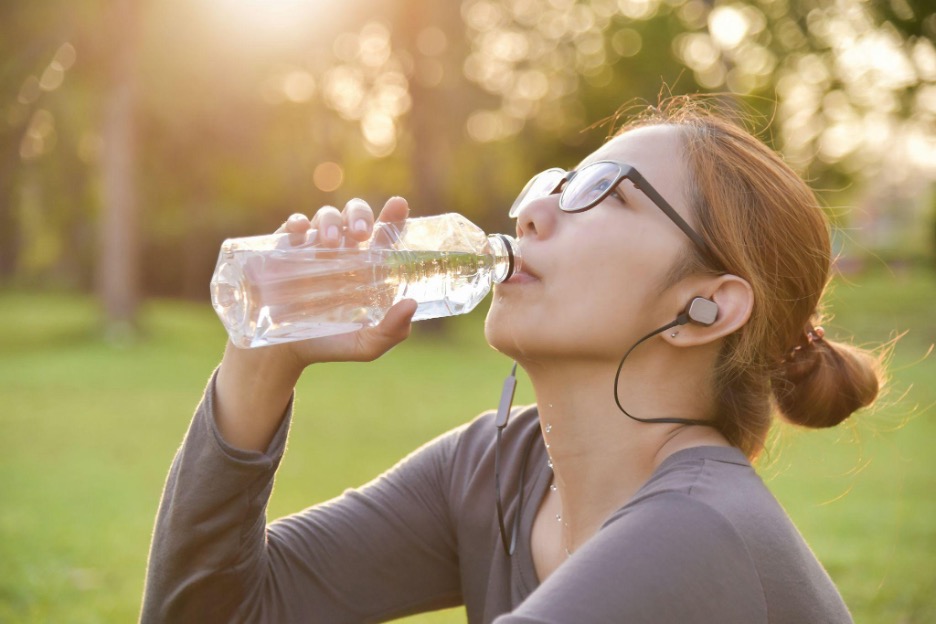
Microplastics
Microplastics are tiny plastic particles measuring less than five millimeters in size, often resulting from the breakdown of larger plastic items. These particles are not only found in the environment but have also been detected in various food and drink products, including beverages stored in plastic containers.
Plastic bottles can shed microplastics during manufacturing, storage, and transport. As bottles are exposed to heat or physical stress, their materials may degrade, releasing small fragments into the liquid inside. Research has confirmed the presence of microplastics in common soft drinks and bottled water, making it clear that packaging plays a role in contamination. This issue is drawing more attention from scientists and consumers alike as awareness grows about everyday exposure to plastics.
How Microplastics Get Into Drinks
During the bottling process, drinks can pick up microplastic particles from multiple contact points. Plastic fragments may come from the bottle itself, especially if the material is stressed or flawed during production. Even the caps and seals can contribute to contamination, particularly when they’re twisted open or exposed to pressure during transport.
A 2018 study analyzing bottled waters from several countries found that over 90% contained detectable levels of microplastics. Brands using polyethylene terephthalate (PET) bottles were not exempt, suggesting that no single manufacturer is immune to the issue. These findings indicate that contamination is likely not accidental but inherent to how plastic-stored beverages are produced and handled.
Conditions That Affect Microplastic Levels
Heat is one of the most common factors that accelerates microplastic release. Bottles left in hot cars or stored in direct sunlight are more likely to break down and shed particles into the liquid. The longer a bottle sits under these conditions, the greater the risk of contamination.
Not all plastics behave the same way. PET is widely used due to its strength and clarity, yet it still degrades under stress. Other plastics like HDPE may offer greater resistance, but no material is entirely risk-free. Reusing bottles also increases exposure, as repeated use can wear down the plastic and create cracks or weak points that release fragments more easily.

What the Science Says About Health Risks
Researchers are still working to understand what microplastics do once they enter the human body. While some particles may pass through the digestive system without causing harm, there’s growing concern about the smaller fragments and the chemicals they might carry. These substances, including additives like phthalates or BPA, can act as endocrine disruptors, potentially interfering with hormonal functions.
Although many studies have focused on aquatic life, where microplastics have been shown to affect growth and reproduction, human-focused research is just beginning to catch up. Some early findings suggest that chronic exposure—even in small amounts—could contribute to inflammation or other subtle health effects. The long-term impact remains uncertain, but the ongoing research is prompting calls for more transparency and stricter safety checks.
Regulation and Industry Efforts
Government agencies and international health organizations have yet to establish firm guidelines on acceptable levels of microplastics in beverages. While the World Health Organization acknowledges the issue, it currently states there’s insufficient evidence to warrant major health concerns, though it recommends continued monitoring.
Some beverage companies are taking proactive steps by investing in better filtration systems and exploring alternative packaging materials. A few brands have started using bioplastics or shifting to glass options in response to consumer demand for safer packaging. These efforts vary widely by region and brand, suggesting that the industry response is still fragmented.
Regulatory discussions in the European Union and parts of Asia are underway, hinting that standards may soon take shape. If successful, these efforts could set a new standard for food safety in packaged goods.
Leave a Reply